Leave A Message
If you are interested in our products and want to know more details,please leave a message here,we will reply you as soon as we can.
For critical facilities like clinics, a power outage isn't just an inconvenience—it can be life-threatening. When a rural health clinic in Southeast Asia faced frequent and prolonged blackouts, their vital medical equipment and refrigeration for vaccines were at constant risk. Here’s how our advanced hybrid inverter system provided a reliable solution.
1. The Critical Challenge: Unpredictable Grid Failures
The clinic’s operations were frequently disrupted by an unreliable local grid. Essential devices, including refrigeration units for medicines and diagnostic equipment, would shut down without warning, jeopardizing patient care and critical supplies.
2. Our Solution: A Tailored Hybrid Inverter System
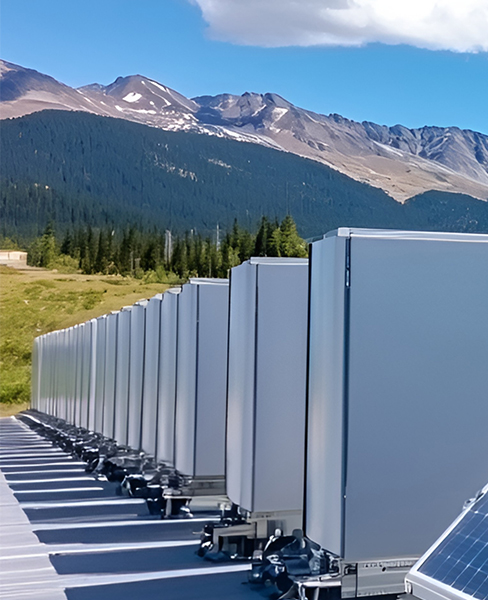
We installed a high-capacity hybrid inverter paired with a lithium-ion battery bank and solar panels. This system was designed for seamless transition. During normal operation, it used solar power and managed grid electricity efficiently. The key feature was its instantaneous switchover capability.
3. The Result: Zero-Interruption Power Security
When the next blackout hit, the inverter instantly and automatically switched to battery power—with no interruption—keeping all critical loads running. The solar panels then worked to recharge the batteries during the day. The clinic maintained full operation: lights, medical devices, and vaccine refrigerators stayed online, ensuring uninterrupted patient care.
4. Beyond Backup: Long-Term Savings and Reliability
The system not only provided 24/7 power security but also significantly reduced the clinic's monthly electricity bills through solar self-consumption. It transformed a vulnerability into a pillar of reliability, allowing medical staff to focus on care without fearing the next blackout.
The Bottom Line: This case demonstrates how the right inverter technology is more than just equipment—it's a vital safeguard for community health and safety, proving that resilient power is fundamental to modern critical infrastructure.
 IPv6 network supported
leave a message
Scan to Wechat :
Scan to WhatsApp :