5 Common Mistakes to Avoid When Installing Solar Roof Mounts
Feb 24, 2023
A secure and well-installed mounting system is the foundation of a durable solar array. Even small errors during installation can lead to roof damage, reduced energy output, or serious safety risks. Here are five critical mistakes to avoid for a long-lasting, high-performing solar installation.
1. Ignoring Roof Structure & Weight Capacity
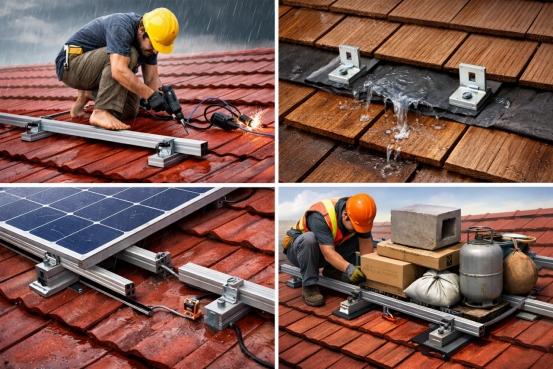
Failing to assess the roof's load-bearing capacity is a major error. An engineer should verify that the structure can support the combined weight of panels, mounts, and potential snow load. Overloading can cause roof sagging or structural failure.
2. Incorrect Racking or Flashing Selection
Using generic, low-quality mounting hardware or mismatched flashing is a common pitfall. The racking must be compatible with your specific roof type (e.g., tile, asphalt, metal). Improper flashing can lead to leaks, void roof warranties, and cause costly water damage.
3. Poor Sealant Application
Waterproofing is paramount. Mistakes include using the wrong type of sealant, applying it inadequately, or not following the manufacturer's instructions meticulously. A faulty seal is the primary cause of roof leaks post-installation.
4. Neglecting Proper Spacing and Ventilation
Mounting panels too flat against the roof limits airflow, causing them to overheat and lose efficiency. Ensure correct spacing as per design to allow for passive cooling, which is crucial for maintaining optimal panel performance and longevity.
5. Skipping Professional Installation
Attempting a DIY installation without proper expertise is extremely risky. Professional installers have the training, tools, and knowledge of local building codes to ensure a safe, compliant, and warrantied installation that protects both your home and your investment.
Bottom Line: A meticulous, code-compliant installation by certified professionals is non-negotiable. It ensures your system's safety, maximizes energy production, and safeguards your roof's integrity for decades.
Read More

 IPv6 network supported